










Tips For Building A Strong Relationship With Your Legal Counsel
As a business owner or individual, it is important to have a strong relationship with your legal counsel. Your legal counsel plays an essential role in protecting your interests and guiding you through any legal issues that may arise. Here are some tips for building and maintaining a strong relationship with the best lawyers in Dubai:
Start with clear goals:
Begin each meeting with a plain list of what you want to achieve. Share your main objectives without using legal terms. Tell your lawyer the outcome you wish for, not the legal steps to get there. This gives your counsel a clear target to aim for. When both sides know the finish line, the work becomes simpler and faster.
Give the full picture:
Share all the facts, even the ones that seem small or awkward. Lawyers need complete information to give good advice. Holding back details only creates problems later. Let your counsel see the whole situation, good and bad. This honesty allows your lawyer to prepare for any challenge that might come up.
Ask direct questions:
Legal language can confuse anyone. When your lawyer uses a word you do not get, stop and ask. Request plain English explanations for every legal point. A good counsel appreciates these questions. They show you are paying attention and care about the details. Clear answers build trust and stop misunderstandings from growing.
Respect their time:
Lawyers work with many clients at once. Give your counsel enough time to review your papers properly. Send documents early, not at the last minute. Return phone calls quickly and show up to meetings on time. This respect for their schedule makes your case a priority for them. Good timing shows you value their work.
Keep communication steady:
Set a regular time for updates, even if nothing new has happened. A short email each week keeps the connection alive. Let your lawyer know when you have new information. Ask for brief updates on their side too. This steady flow of talk prevents surprises and keeps everyone on the same page. Good communication makes the work feel like a team effort.
Trust their advice:
You hired your lawyer for their skill and experience. Listen carefully to their recommendations. Ask questions, but let their guidance shape your choices. They see legal paths that you might miss. Trusting their judgment builds confidence in your case. A strong relationship grows when you respect their professional view.
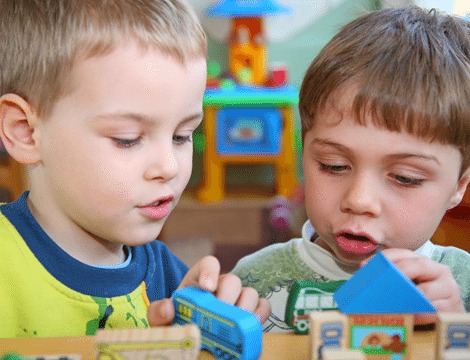
How A Nursery School Supports Emotional Regulation In Toddlers
Toddlerhood arrives with big feelings and small bodies. A dropped toy becomes a world-ending event. A shared crayon sparks instant fury. Yet within these daily storms lies a golden opportunity for growth.
A nursery school creates a special space where children first learn to handle their emotions. This early training builds a foundation for lifelong happiness and friendship. A quality Jumeirah nursery focuses specifically on this important skill.
The daily rhythm:
Each day follows a steady pattern. Arrival, play, snack, story, and outdoor time repeat in a clear order. This predictability gives toddlers a sense of safety. When children know what comes next, their anxiety drops. A stable routine allows them to relax and focus on learning rather than worrying about unexpected changes.
Label the feeling:
Teachers name emotions as they happen. “You look sad because your friend took the toy.” “I see you are happy with that puzzle.” Putting words to feelings helps toddlers connect internal states with language. Over time, a child says “angry” instead of hitting. This simple act of naming diffuses strong reactions.
Choose the right response:
Children watch adults closely. When a teacher stays calm during a spill or a tantrum, toddlers absorb that example. They see that frustration does not require yelling. A gentle voice and patient hands demonstrate alternative reactions to stress. This modeling offers a live guide for proper behavior. Kids copy what they see, slowly building their own calm responses.
Safe space for big feelings:
Classrooms include a quiet corner with soft pillows and books. When emotions run high, a child can go there to cool down. This area is not a punishment. It is a retreat for self-soothing. Sitting with a stuffed animal or flipping pages offers a break from overwhelming stimulation.
Playful problem-solving:
Social play creates natural conflict. Two children want the same red crayon. A teacher steps in to guide negotiation. “What if you use blue now, and red in five minutes?” These small discussions teach compromise and patience. Working through disagreements in a supportive setting builds resilience. Each resolved conflict adds a new strategy to a child’s emotional toolbox.
Peer connections:
Friendship offers emotional education. Playing alongside others exposes toddlers to different temperaments. A child learns that friends also get upset or feel excited. These interactions encourage empathy and cooperation. Sharing a snack or building a block tower together creates bonds. These relationships provide a support network, making the classroom a community where every child belongs.